The information is provided by OPAN with support by GOTA.
Summary
Not everything labeled as renewable energy is good, but potentially causes sever damage to the environment and its residents.
The planning process of energy solutions has to be people-centered in order to generate added value for local communities and to ensure that the energy production is best possibly integrated into the existing eco-system.
Medium and small size hydrowpower does affect local indigenous communities in the Brazilian Juruena River Basin. Their cultural heritage is threatened by river interferences caused by dams and, in some cases, communities are forced to buy canned fish instead of fishing themselves – the river does not enable them to self-sustain their livelihoods. These dams intensify the dependency on urban services. Often, communities do not even have access to the energy produced within their historical territory. This is not clean energy and therefore not contributing to sustainable development nor climate justice.

The Juruena basin
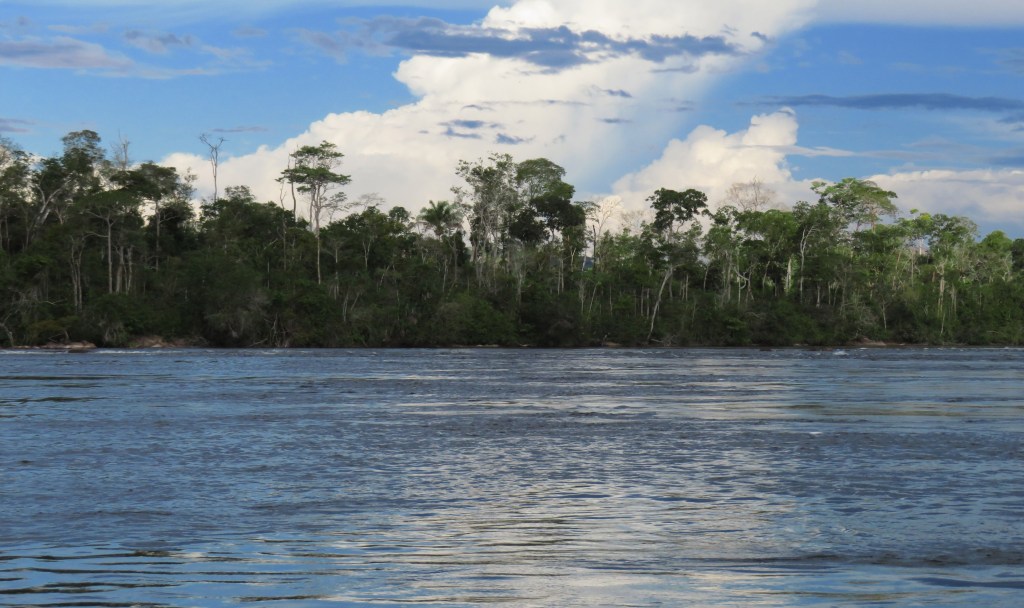
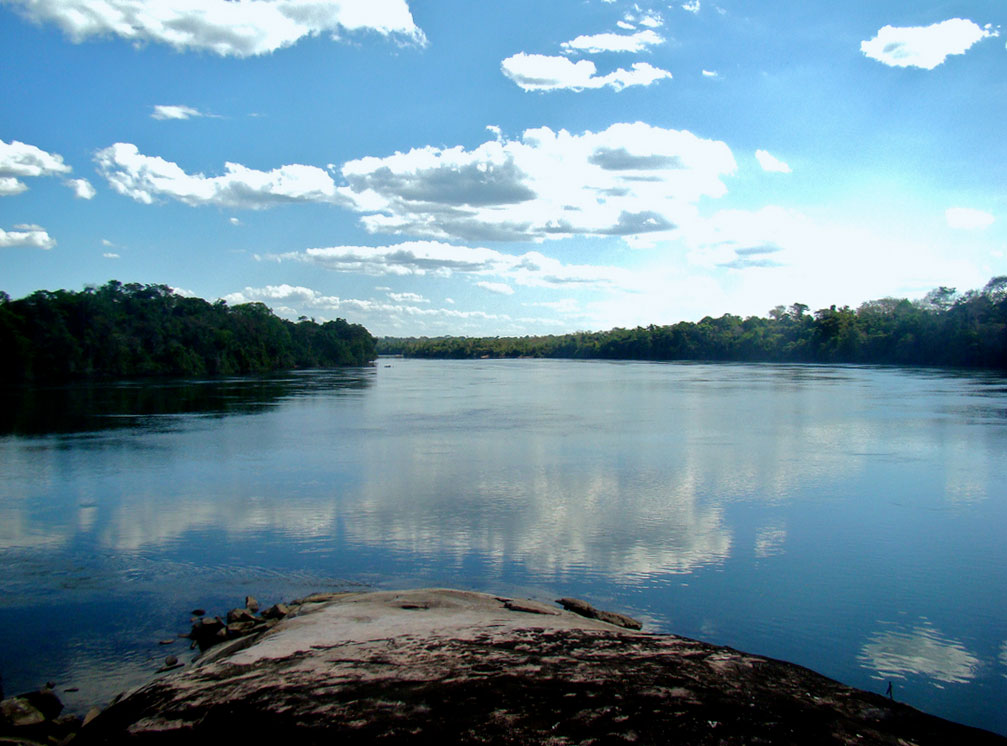
The Juruena basin is a vast river system in the Northwest of the Brazilian State ‘Mato Grosso’ spreading over 19 million hectares. It is part of the Amazon and Cerrado biome and home to 10 indigenous ethnicities living mainly in 21 territories.
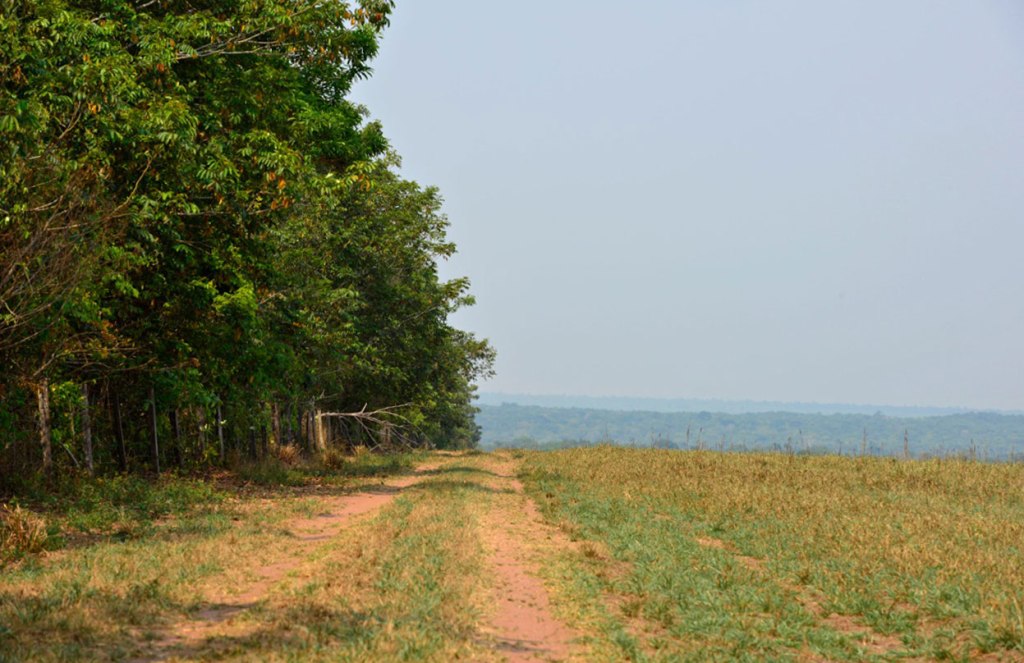
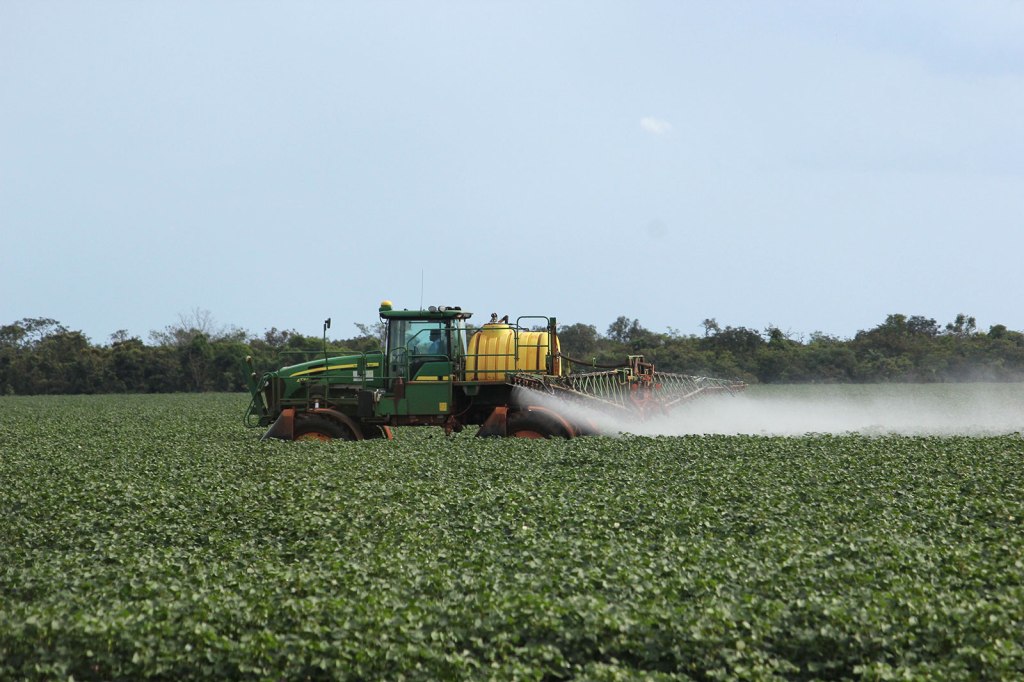
Next door, large landowners cultivate fare-reaching monocultures of soy, corn and cotton. Agribusiness is an important pillar in the economy of Mato Grosso, strongly associated with forest logging, poisoning and deforestation.
The rivers of Juruena are increasingly under pressure for irrigating the vast fields and for producing energy used for the agribusiness’ activities.
Tirecatinga Indigenous Land boundaries. Picture taken by Adriano Gambarini/OPAN.
Learn more about the Manoki and the influence the Jurena river has on their lives in the video
«The Manoki People’s Appeal: The Juruena Sub-Basin Dams»
Note: The information in the video refers to 2020, whereas the information on this page refers to 2021.
What is planned?
For this purpose, there are plans to build 160 dams in the region, mainly of small (up to 30 MW) and very small size (up to 5MW). In 2021, 35 of them are already built, 12 under construction and around 113 in planning.
 UHE planned |  PCH planned |  CGH planned |
 PCH constructing |  CGH constructing | |
 PCH operation |  CGH operating |
Why is this a problem?
Since the dams are rather small, the Brazilian authorities often apply relaxed requirements regarding environmental and social impact evaluations. However, also small dams have severe consequences for sweet-water eco-systems: They often prohibit the sediment deposition, distort fish migration, lower water quality and undermine biological diversity. What is more, indigenous people are regularly deprived from their right to self-determination, as they are not consulted on projects happening in front of their territories even though the dams are affecting hugely their way of life.
What are the consequences?
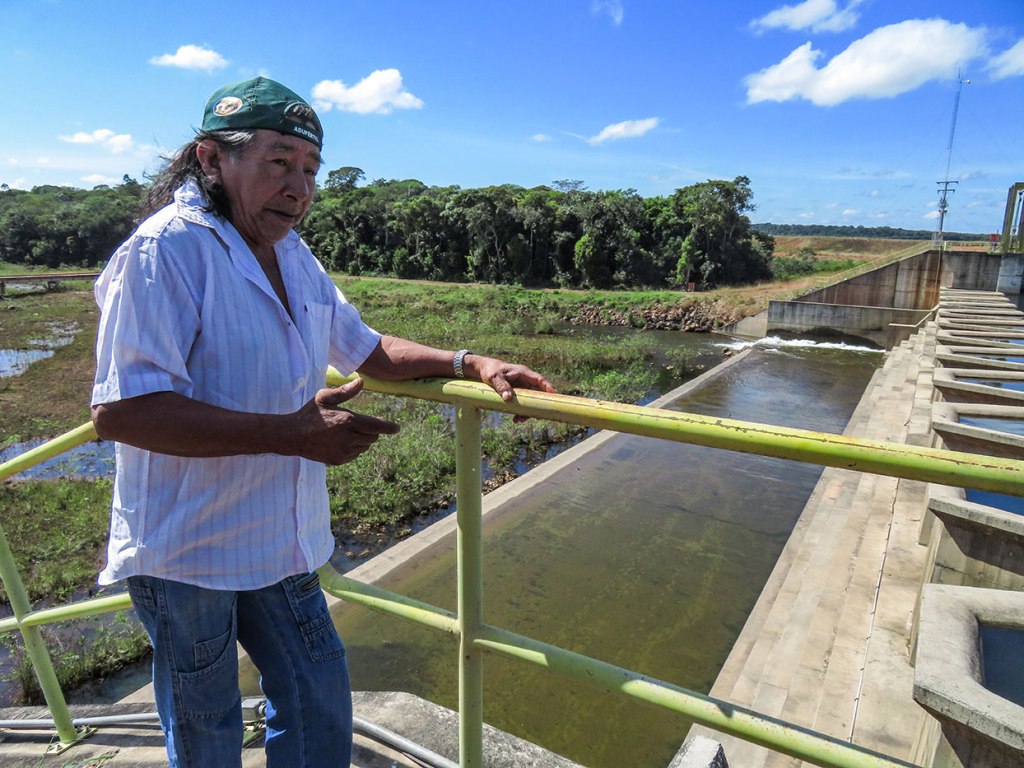
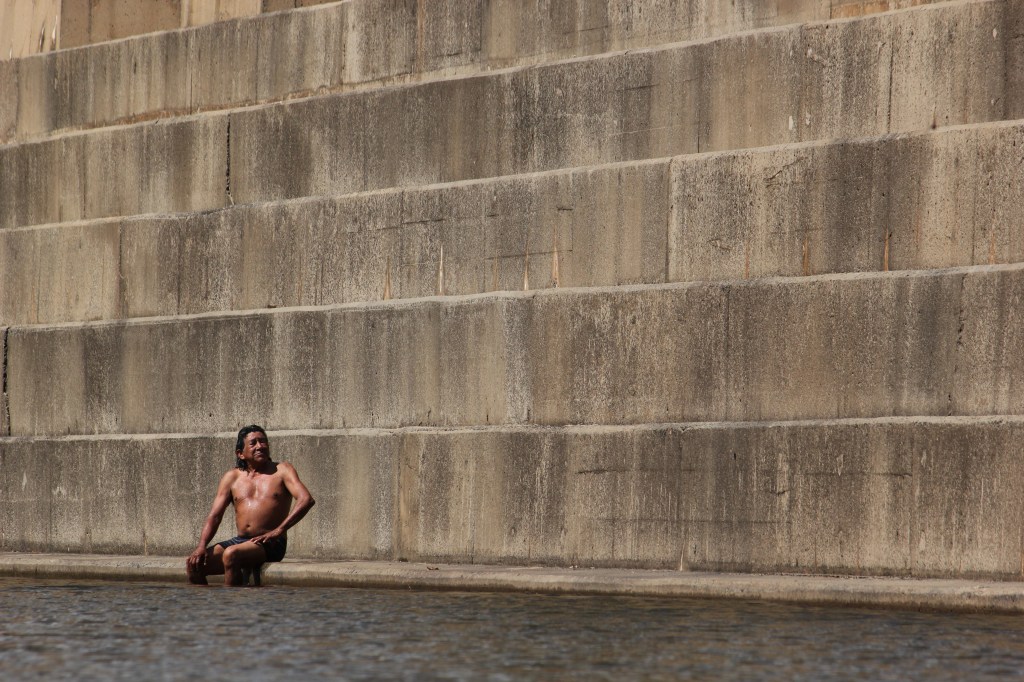
Around 2010, for example, eight small hydrodams were built 26km upriver from the territory of the Enawene Nawe indigenous people. The fish have died and nowadays, the Enawene Nawe have to buy their fish at super-markets decreasing their resilience and making them dependent of salary earning jobs. The same is true for the Manoki people living at the Cravari river: The Bocaiuva dam blocks the water flow, which caused the death of the fish population and one of their sacred place got flooded. The Manoki are now dependent from cars and gasoline in order to fish at more distant places.
They [the owners] said the power plant will bring many good things for us, that we will receive energy. But now we are not receiving energy, we are paying energy. Every month the people pay. And they said we will receive compensation for the fish issue – but this did not happen.
Manuel – village elder of the Manoki people
Conclusion
This is not clean energy. These are energy projects that exploit the local people and environment in order to feed unsustainable agribusiness. A just energy transition must be people-centered.
Contact
The information of this site is provided by OPAN and GOTA.
OPAN is a Brazilian NGO supporting indigenous communities in Mato Grosso.
Website

GOTA is an NGO specialized in Communication working closely with OPAN. Website
 Energy and Climate Justice