The information is provided by Censat Agua Viva.
Summary
The “community energy initiative” by Censat promotes small alternative energy projects with the objective of demonstrating the viability and added value of community-driven renewable energy projects in Colombian rural areas where energy is scarce, costly and of poor quality.
The initiative succeeded in familiarising communities with renewable energy technologies in the departments of Antioquia and Santander. Solar panels and biogas plants are installed, solar dryers for fruits and vegetables and energy-efficient stoves are operating and improving livelihoods. The experiences show that energy is not neutral. Energy is an input for improving the living conditions of people and communities. Therefore, it is necessary that not only the climate dimension of renewable energy is considered, but also the social, economic (co-benefits) and environmental dimension.
This is why Censat also engages actively in exchanges with authorities in order to improve the existing legal framework and make it inclusive for community-driven energy projects.
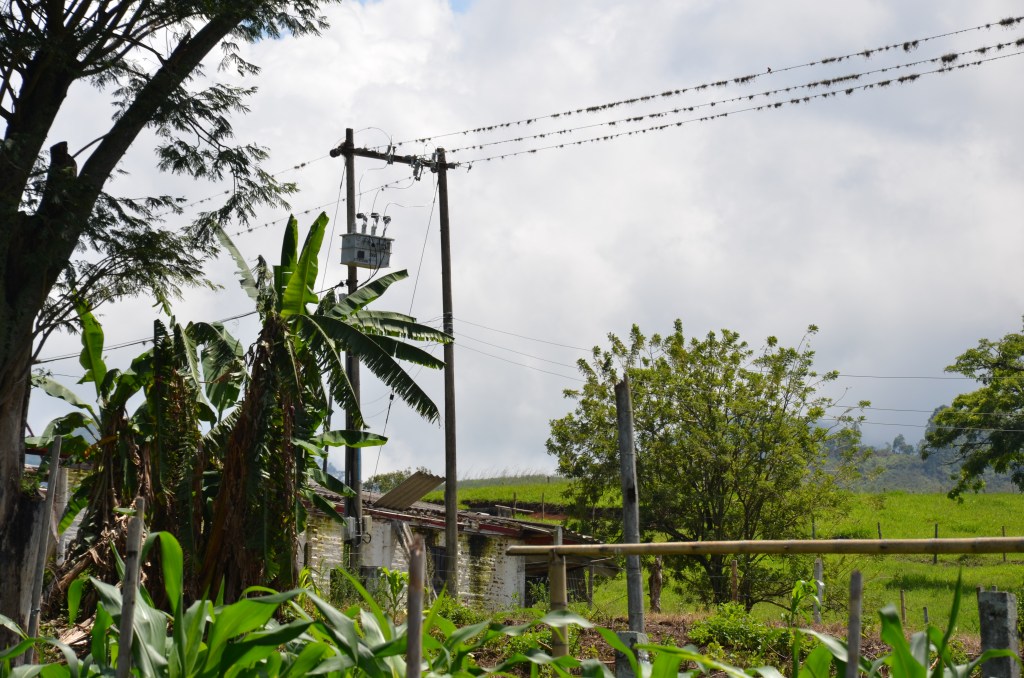
In Santander, a rural area in Colombia, the energy supply is often unreliable, characterized by regular network outages, and very expensive. This inhibits the development of local communities, which, for example, depend on a constant energy supply to cool the stored fish in order to expand fish farming activities.
At the same time, Colombia is engaged in shaping the energy transition to combat climate change. Renewable energies are being promoted for this purpose. At present, however, too little attention is paid to the needs and requirements of the rural population. Community-driven, decentralized rural energy projects linked to agricultural processes are hardly financed due to technical barriers in the current legal framework.
Tirecatinga Indigenous Land boundaries. Picture taken by Adriano Gambarini/OPAN.
Developing solutions
For this reason, Censat is working on concrete pilot projects in Santander and Antioquia that demonstrate the feasibility and benefits of community-driven energy systems.
The installations are not only intended to contribute to overcoming the climate crisis, but first and foremost to serve the people and improve their livelihoods. For this, it is central that the piloted energy solutions are linked to concrete productive processes in agriculture, artisanry, industry or at household level.
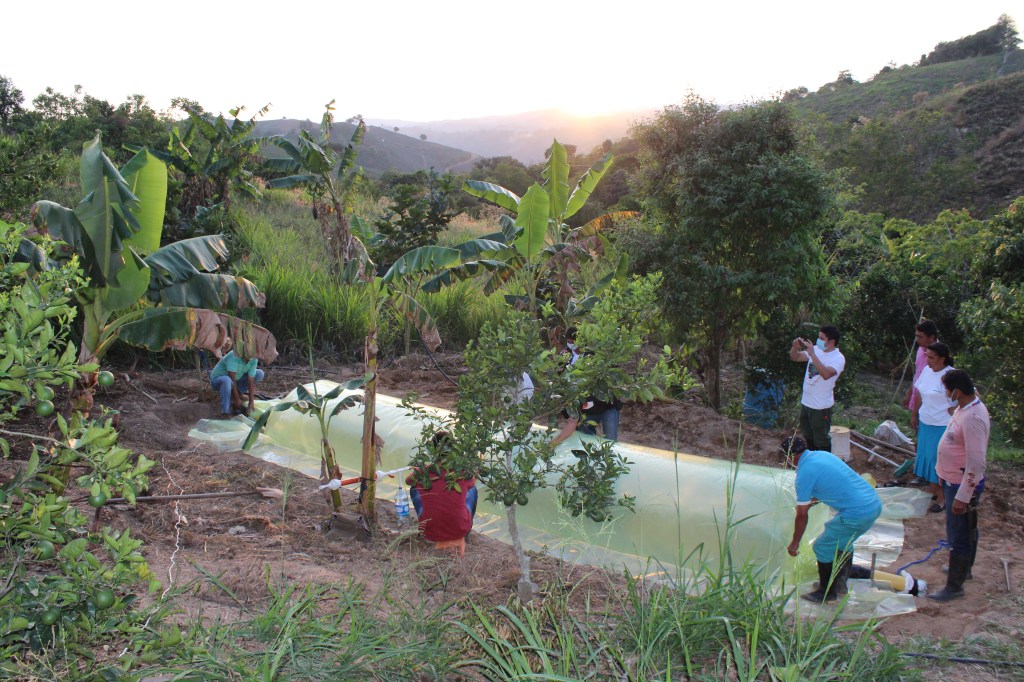
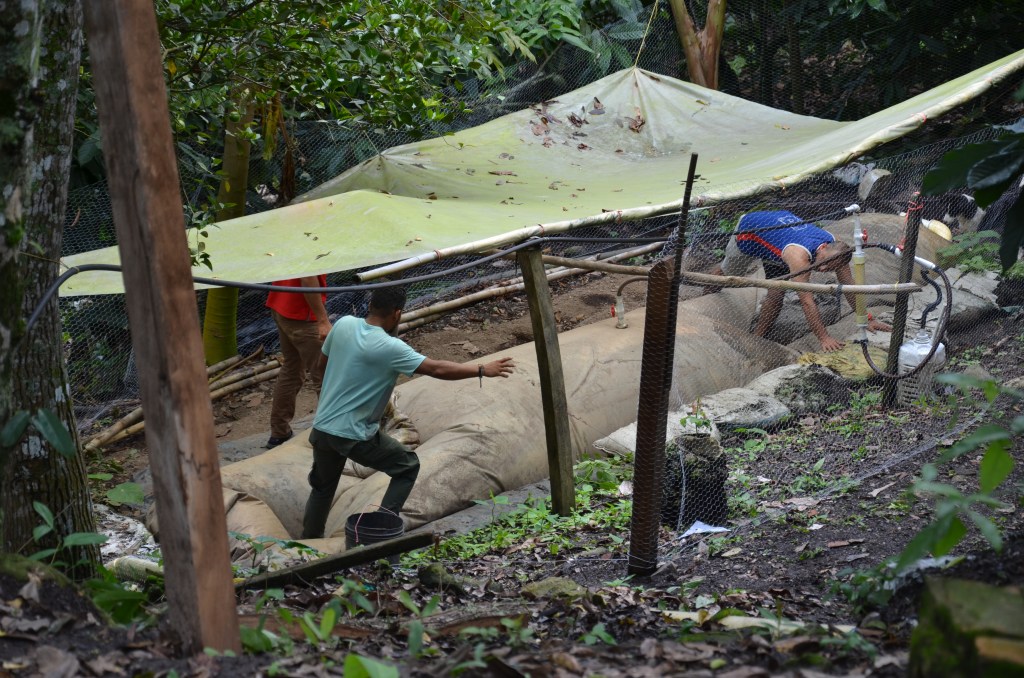
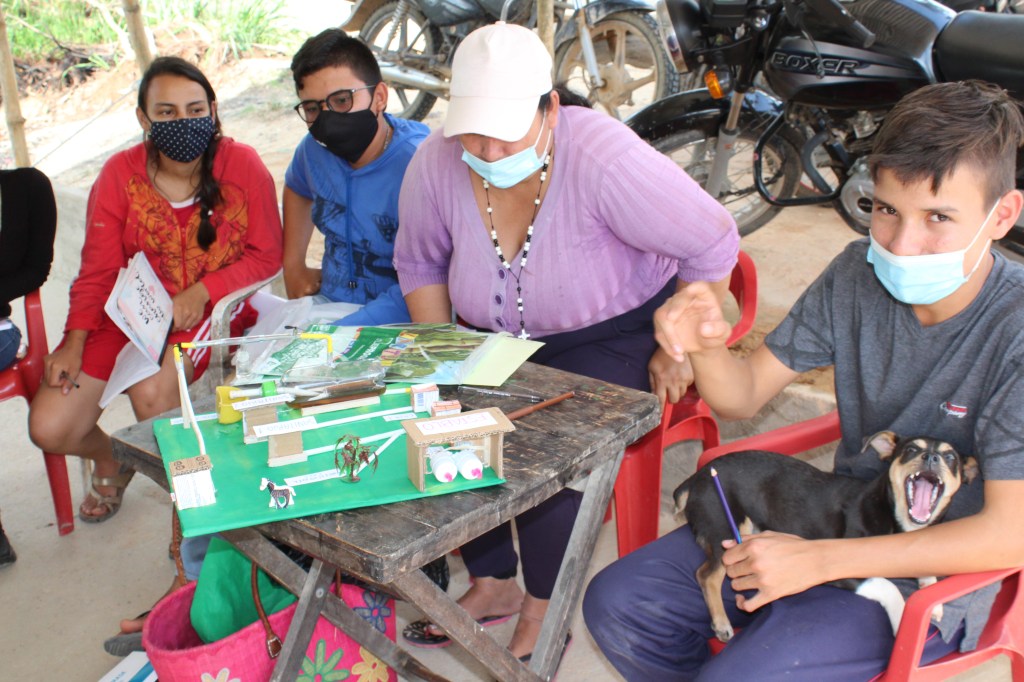
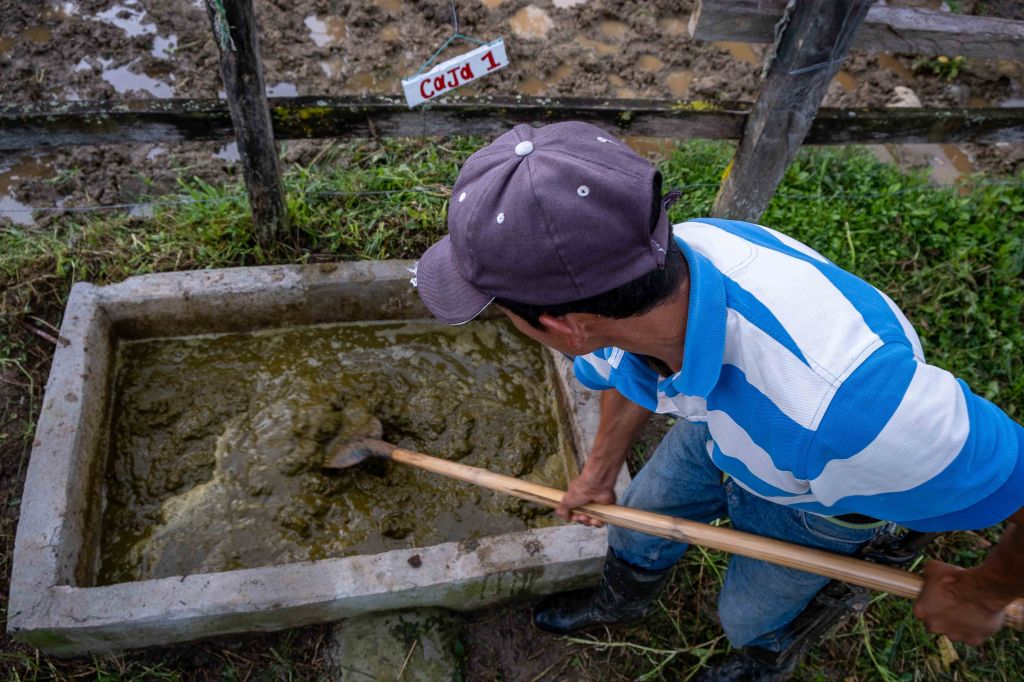
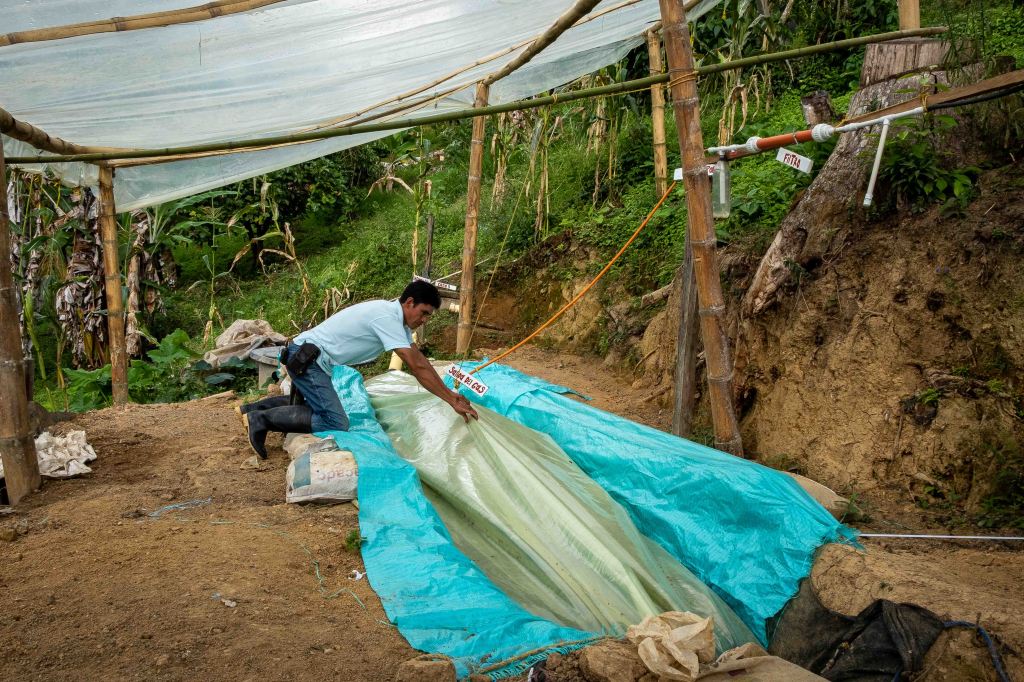
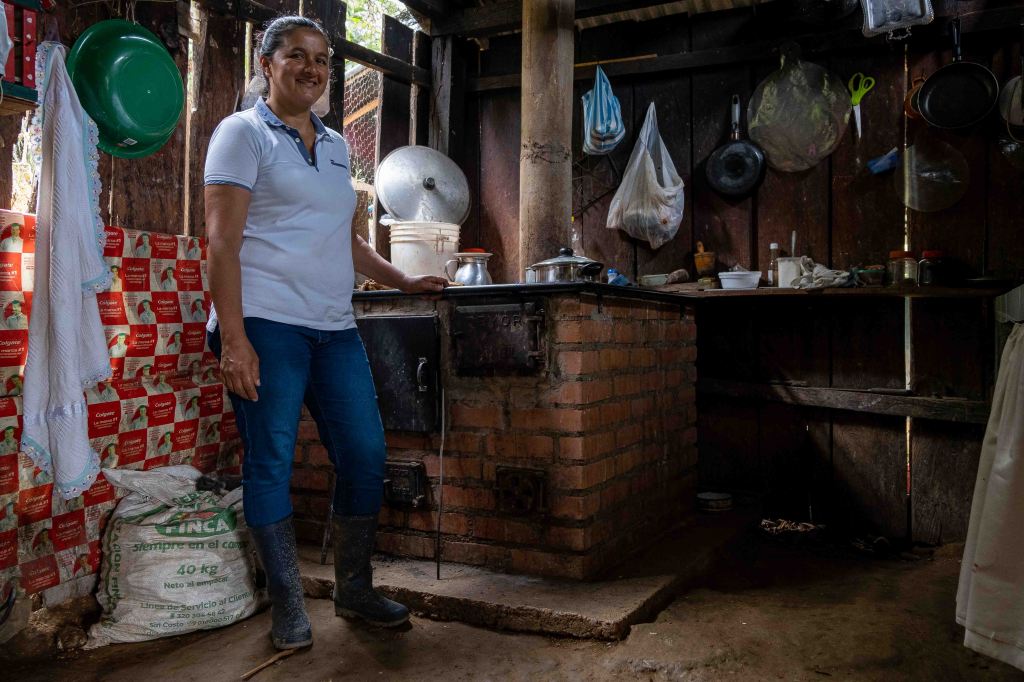
In 2020, Censat trained 18 technicians and installed solar drying systems (for processing coffee, herbs and bananas), energy efficient stoves and biogas plants. The training was part of the school for “community technicians in alternative energies”. The biogas plants produce biogas that is used in the kitchens as well as natural fertilizer that is used in local agriculture. In other words, the energy solutions selected build on each other and therefore their benefit to the owners is even more significant.
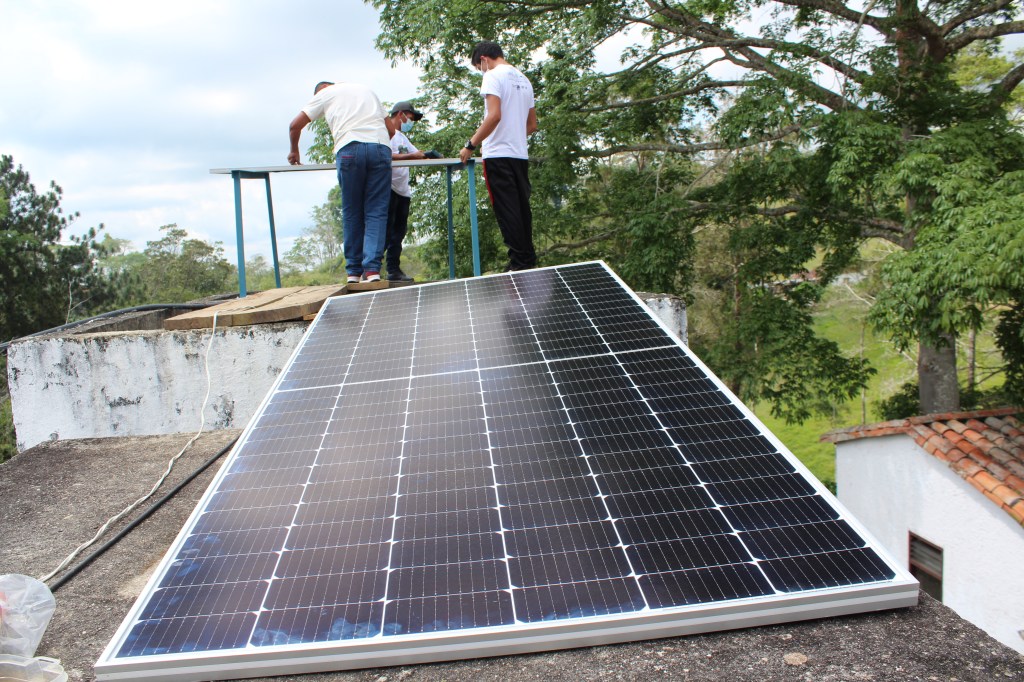
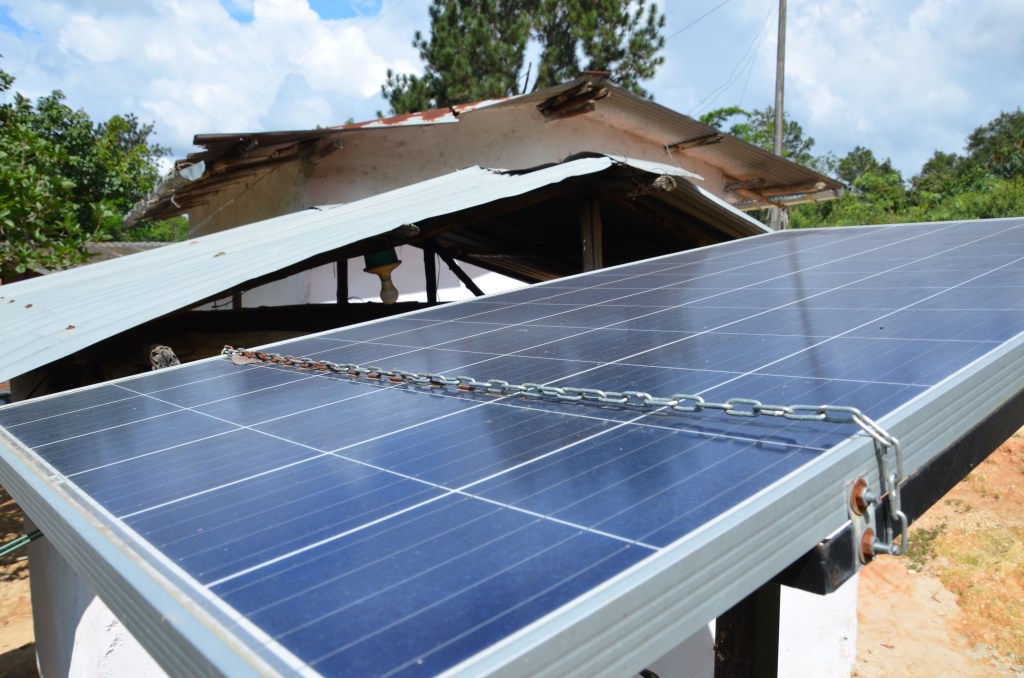
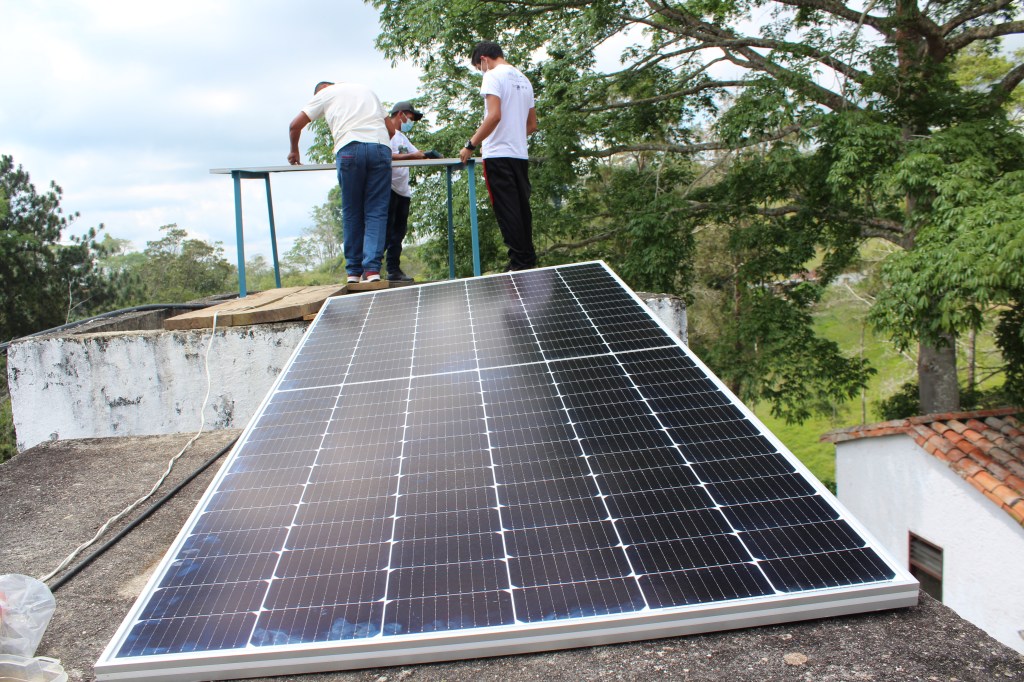
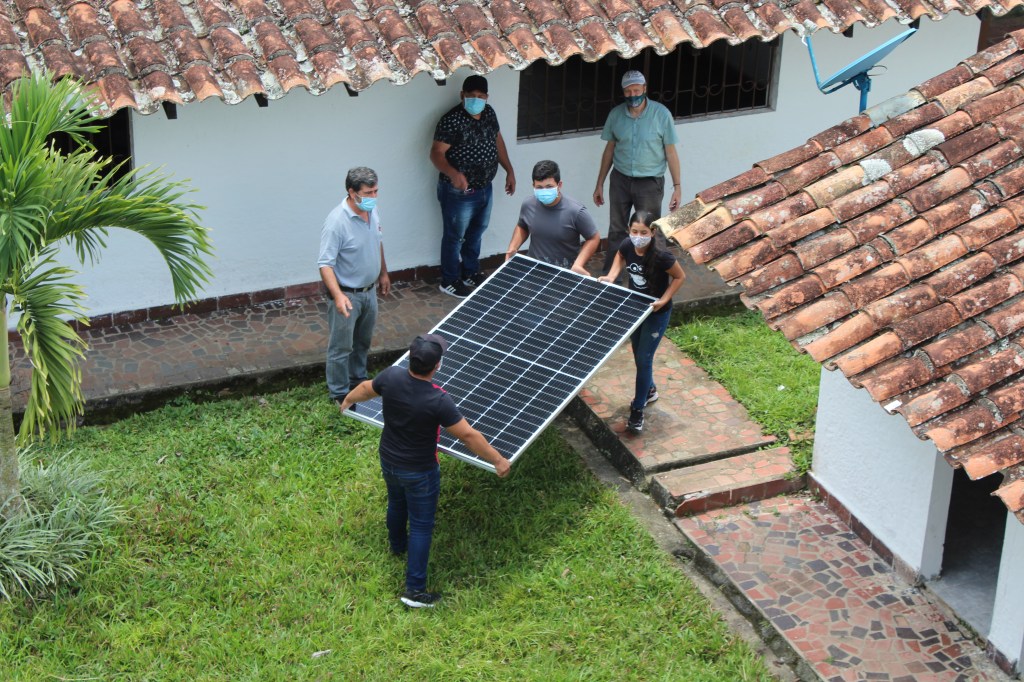
In addition, solar panels have been installed in Lebrija, Santander, to operate a training center for young farmers. The solar system is designed so that additional electricity can be accessed from the grid as needed.
Learn more about the energy experiences with biodigesters and solar panels in Santander Colombia.
Linking local visions to national legislation
At the regional and national level, the project protagonists actively promote their learnings. In dialogue with parliamentarians, Censat draws attention to gaps in Colombia’s legal framework that prevent the promotion of rural and community-based energy solutions. Gaps include for example the complex legal requirements to apply for funding. In this way, policymakers in Colombia can close the legal loopholes.
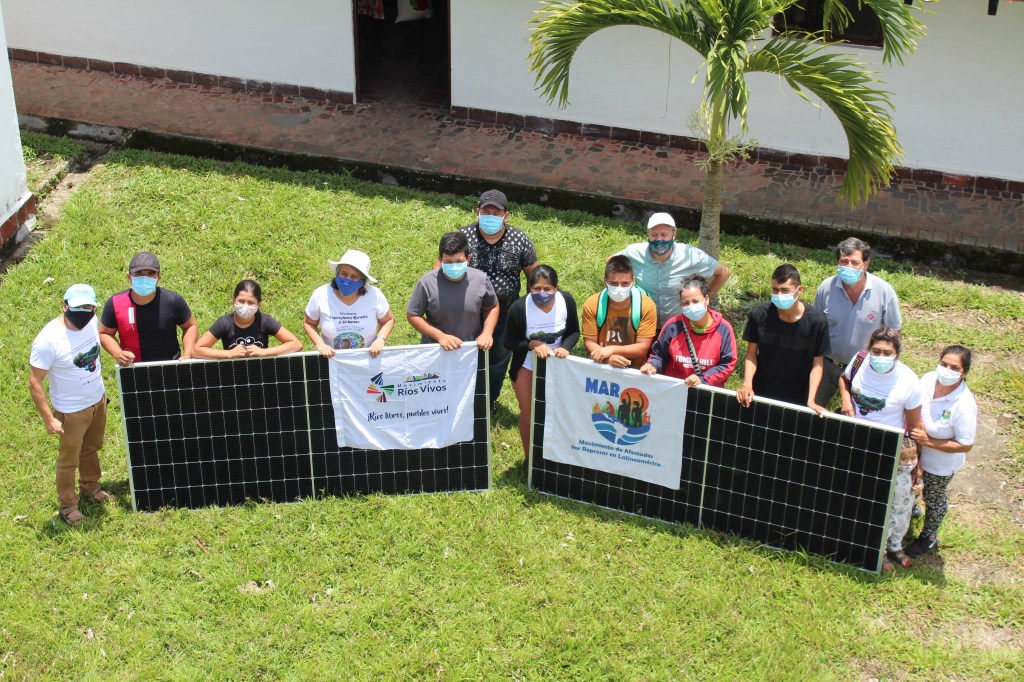
“For the peasant communities, solar energy is like a new form of independence and an alternative to the climate crisis that we, as local communities, experiency daily here in the municipality of Lebrija.”
Yesenia Alarcón, young farmer from Lebrija, Santander
Conclusion
The piloted energy solutions have clearly shown that renewable energy can provide great benefits to the population through simple but well thought-out measures adapted to local needs.
This initiative shows well what should be the focus: energy is not neutral. It is an ingredient for improving the living conditions of people and communities. Therefore, it is necessary that not only the climate dimension of renewable energy is considered, but also the social, economic (co-benefits) and environmental dimension.
Contact
The information on this site is provided by Censat Agua Viva, in collaboration with Fundaexpresion, Comunidades SETAA and Colectivo de Reservas Comunitarias y Campesinas de Santander.
Censat Agua Viva is a Colombian NGO working with rural communities on issues related to the environment, energy and climate justice.
Website

 Energy and Climate Justice